1000's Of South Africans Are Becoming DEBT FREE Because Of The New South African High Court Ruling
Here Is How We Can Help You Right Now To:
Stop ALL your creditors in their tracks
Stop HARRASSMENT from creditors & debt collectors
Protect Your Assets (Home & Car(s)) From Repossession
Remove the stress and worry caused by outstanding payments and debt collectors
No Obligation FREE Debt Advice
Take The Short 10-Second Assessment
To See If You QUALIFY!
Real Impact, Real Stories
We've successfully helped approximately 57316 South Africans
out of a total of R 578 967 432.00 in debt.
These aren't just numbers; these are REAL lives changed and futures secured.
Imagine a life where financial worries are a thing of the past, where savings grow and living within your means is a comfortable reality.
This could be YOUR story.
Take the first step towards financial freedom with us today!
National Credit Act Of South Africa
The National Credit Act of South Africa is a crucial piece of legislation that many South Africans are unaware of leaving them trapped in a relentless cycle of debt.
This Act offers significant protection to individuals struggling with debt, yet the lack of awareness prevents many from accessing these vital resources.
Understanding and utilizing the provisions of the National Credit Act can be a game-changer for those looking to break free from the burdens of debt.
Who Are We And How We Can Help
As certified debt specialists registered with the National Credit Regulator (NCR) of South Africa we are committed to helping over in-debted South Africans towards a debt-free future.
If you are over-indebted and falling behind with your monthly debt repayments our debt experts can assist by protecting your assets and arranging a significant reduction in monthly debt repayments and in some cases debt can be legally written off..
This debt protection falls under the National Credit Act (NCA). According to this Act credit providers are prohibited from initiating legal action against you when you're enrolled in a managed debt assistance program like ours.
This not only protects your assets but also means you will end up paying less for your debt every month and in some instances debt can be legally written off.
Our process is simple aimed at transitioning you out of debt effortlessly.
We help our clients create a repayment plan that is not only affordable and sustainable but also court-approved ensuring that creditors cannot oppose it thus easing financial stress throughout the repayment period.
The plan is designed to alleviate the burden of debt immediately.
We also negotiate massively reduced interest rates with your Credit Providers SIGNIFICANTLY lowering your overall repayment amount.
Make the smart choice.
Client Testimonials
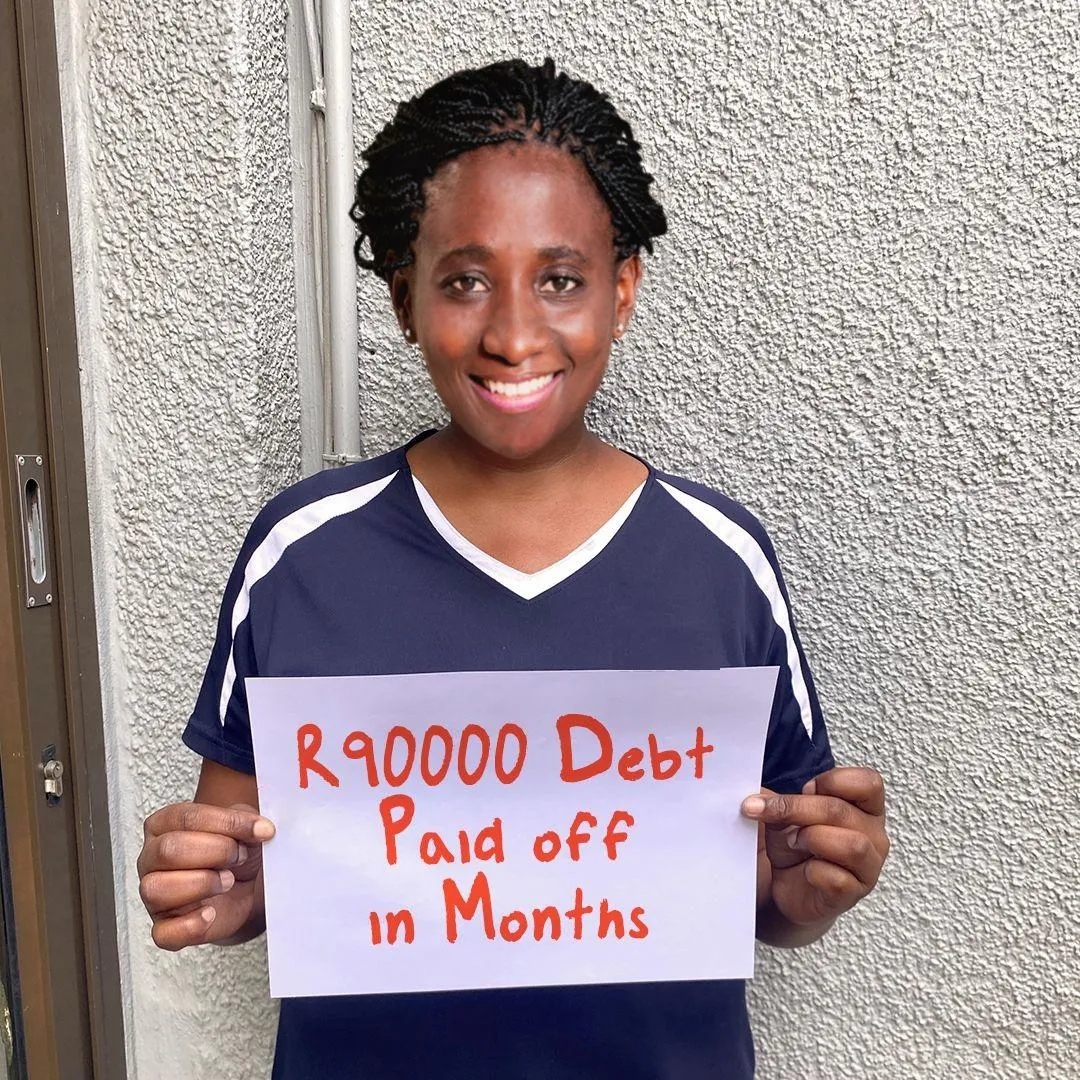
"Facing mounting debt, I felt trapped in a never-ending cycle, unsure if I'd ever find my way out. That was until I discovered Clear Your Debt (CYD). Their team wasn't just friendly – they were lifesavers, offering swift and effective solutions that steered me towards a debt-free life.
I'm immensely grateful for their support and guidance. Soon, I'll be enjoying the freedom of living without debt. Thank you, CYD, for turning my financial despair into a future filled with hope" ~ Sindiswa M.
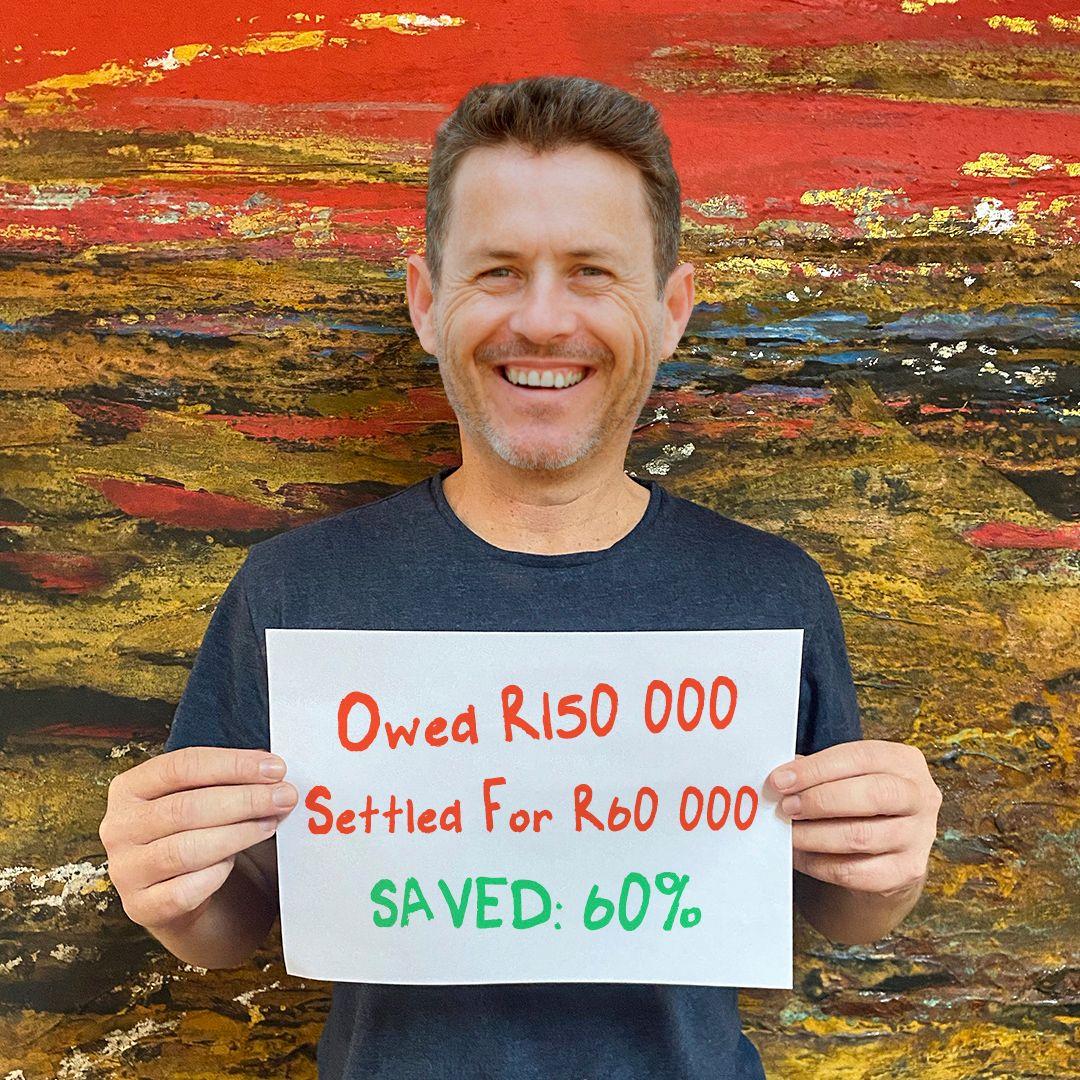
"Overwhelmed with shame and uncertainty about my debts I felt lost. That all changed when I found Clear Your Debt (CYD). Their understanding and support have empowered me to take control of my finances. I no longer fear losing my home or car thanks to CYD's guidance.
I'm on a path to debt freedom, a journey filled with optimism and free from financial burdens. My gratitude to CYD for giving me back my financial independence and peace of mind." ~ Wayne J.
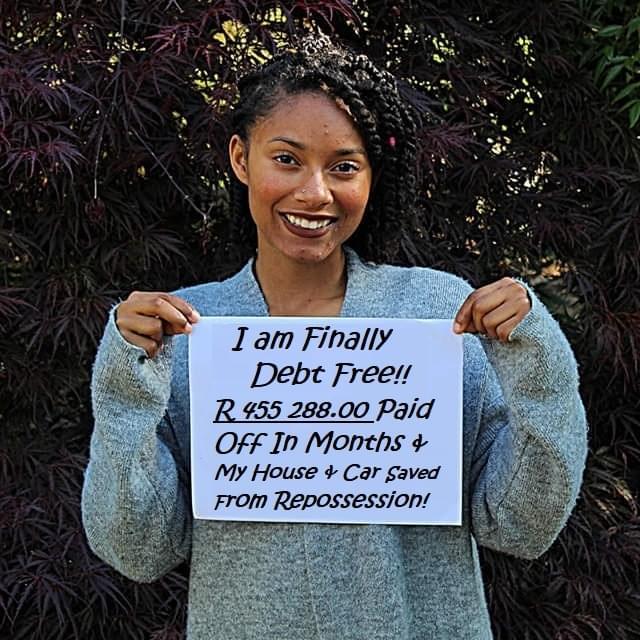
"Trapped in a financial abyss I was clueless about who to turn to. Then I found Clear Your Debt (CYD) and everything changed. They were more than just helpful – they were empathetic and genuinely understood my plight.
Thanks to CYD my debt repayments are now manageable and a debt-free future is on the horizon. My family and I can finally breathe easy, free from the crushing weight of debt. CYD has been a true ally in my journey to financial freedom." ~ Bronwyn K.
"My journey with debt was more than just numbers; it was a battle that took a toll on my health leading to hospitalization not once but twice.
The weight of my financial burdens was crushing and I felt utterly hopeless. It was during this low point that I learned about the life-changing provisions of the National Credit Act and stumbled upon Clear Your Debt (CYD). CYD was more than a debt solution provider; they were my beacon of hope.
Their compassionate approach and deep understanding of the National Credit Act were instrumental in crafting a path out of my financial nightmare.
Now, not only have I found relief from my debts but I've also reclaimed my health and happiness. Thanks to CYD, I am not just surviving; I am thriving, with a newfound sense of peace and financial freedom.
My gratitude to CYD is immeasurable – they didn't just help me manage my debts; they helped me get my life back." ~ Lydia T.
Frequently Asked Questions
Can I Achieve Real Debt Freedom?
Yes and it's happening every day! Many of our clients have successfully navigated their way to debt freedom guided by our tailored solutions.
Your journey to being debt-free depends on your specific financial circumstances but rest assured that our expert and highly-trained debt experts and advisors are here to find the best path for you. Why wait?
In just 5 seconds our simple 4-question quiz can reveal if you're eligible for these life-altering solutions. Answer the 4 simple questions in the survey above to check if you qualify and take the first step towards your financial liberation! We'll call you back!
Can You Help Protect My Assets (such as my house and car) from Repossession?
Absolutely. Protecting your house and car from repossession is a key concern for us. These assets are crucial parts of your life, not just possessions. We specialize in negotiating with creditors to find solutions that prevent repossession. Our focus is on a balanced financial approach that secures your most valuable assets. Don't risk losing what matters most – complete our quick 5-second, 4-question quiz now, and one of our debt experts will get back to you to discuss safeguarding your assets
Can We Stop Creditors from Phoning You?
Definitely! We understand the stress of constant calls from creditors. Our expert team is skilled in negotiating with creditors and debt collectors to quickly halt these calls. If you're already facing pressure from creditors, it’s crucial to act now. Contact us and let us bring you the peace of mind you deserve. Complete our 5-second, 4-question quiz now and one of our debt experts will call you back.
Which Debt Solution Is Right for You?
Your situation is unique, and so is our solution. We tailor our strategies to fit your income, living expenses, and debt levels. Our advisors are compassionate and committed to finding the best debt solution for you. Contact us for a conversation with no obligations – let’s explore the right path to your financial freedom together. Just fill out our 5-second, 4-question quiz above and we'll call you back to start the process.
When Should You Seek Debt Help?
The best time is now. If you're wondering about this then it’s a sign to take action. The sooner you get help the faster you can achieve debt freedom. Don't wait for debt collectors or sheriffs to escalate matters. Reach out to us immediately and we'll proactively work to protect your assets and relieve the stress. Take our quick 5-second quiz above and a debt expert will be in touch soon.
CLEAR YOUR DEBT
S.A.'s Award-Winning Debt Experts
Copyright 2022 - All Rights Reserved
This site is not a part of the Facebook website or Facebook Inc. Additionally,This site is NOT endorsed by Facebook in any way. FACEBOOK is a trademark of FACEBOOK, Inc.
This site is not a part of the Google search engine website or Google company.This site is NOT endorsed by Google in any way.